PiCUS Systems
Showing all 7 results
-


PiCUS Sonic Tomograph
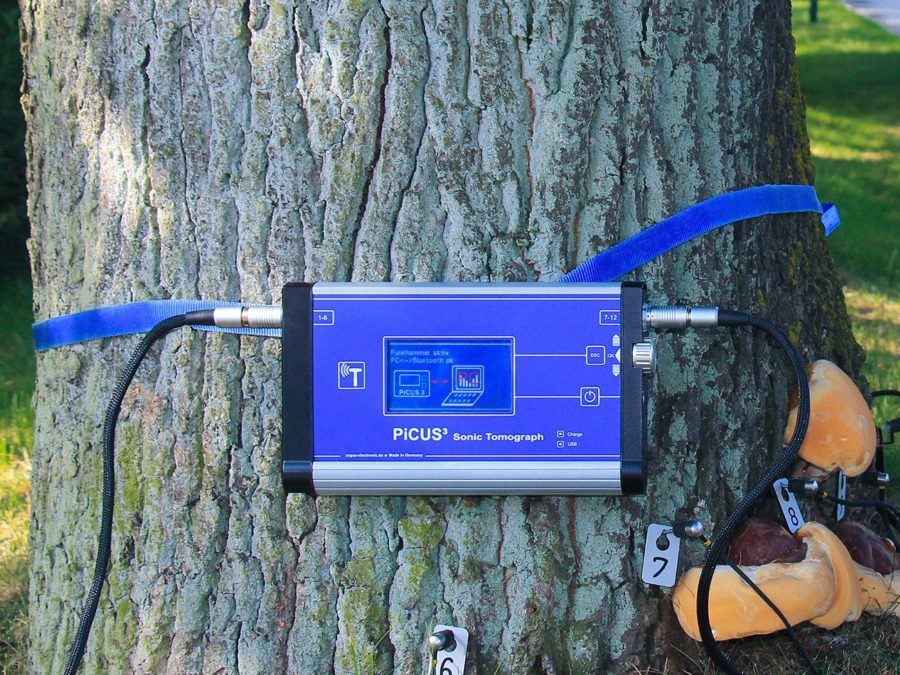
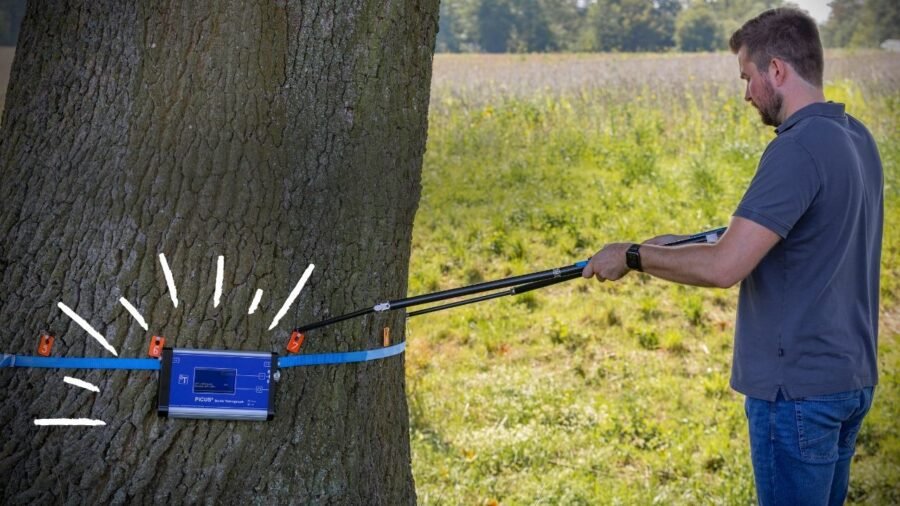
The PiCUS Sonic Tomograph analyses sonic waves in order to draw conclusions of the wood’s inner structure. In solid wood, sonic waves propagate fast. Defects within the wood interfere with the propagation of the waves and lead to lower calculated velocities. The different recorded velocities are displayed in varying colors in the tomogram.
-
PiCUS TreeTronic
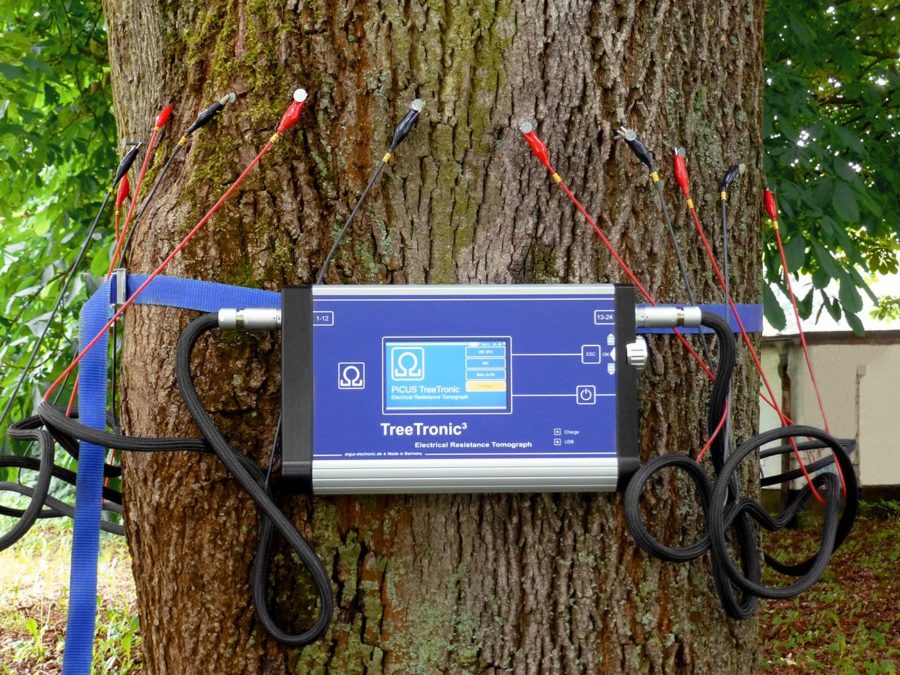
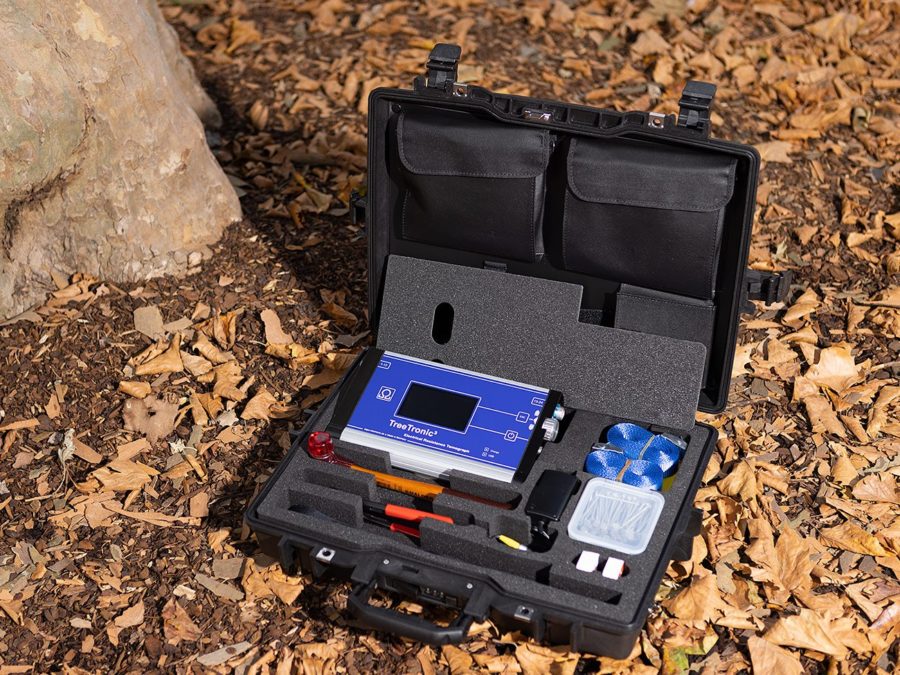
The PiCUS TreeTronic measures the electrical resistances in wood, which are influenced by the water content, the cell structure and the chemical composition. Since a rot usually has a high level of moisture and thus a low resistance, it can be recognized early with the PiCUS TreeTronic.
-
PiCUS TreeMotion
The wind reaction measurement with the PiCUS TreeMotion Sensor is used to assess the stability of trees as part of detailed investigations.
-
PiCUS TreeQinetic
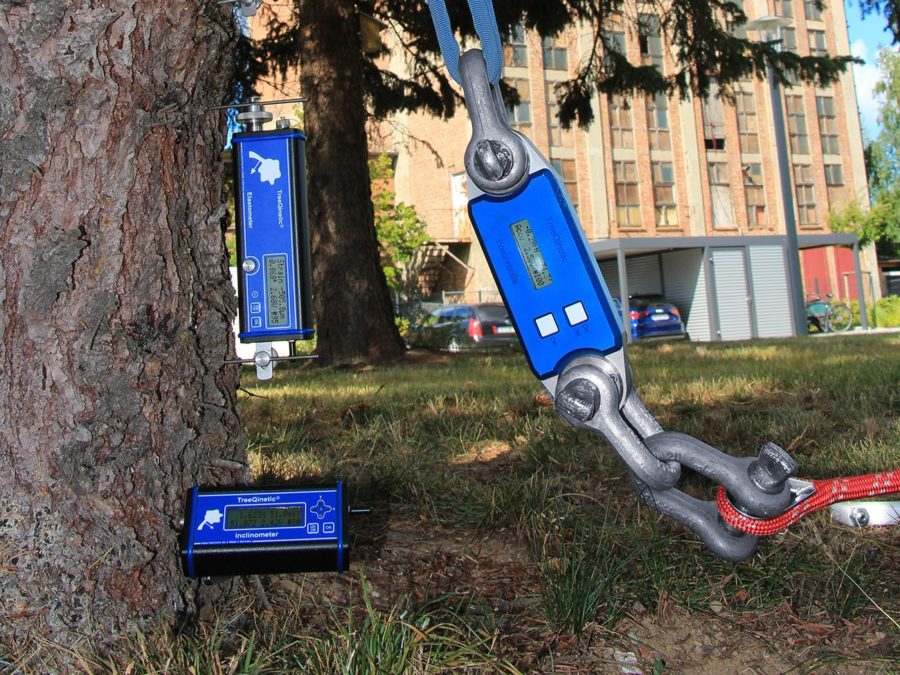
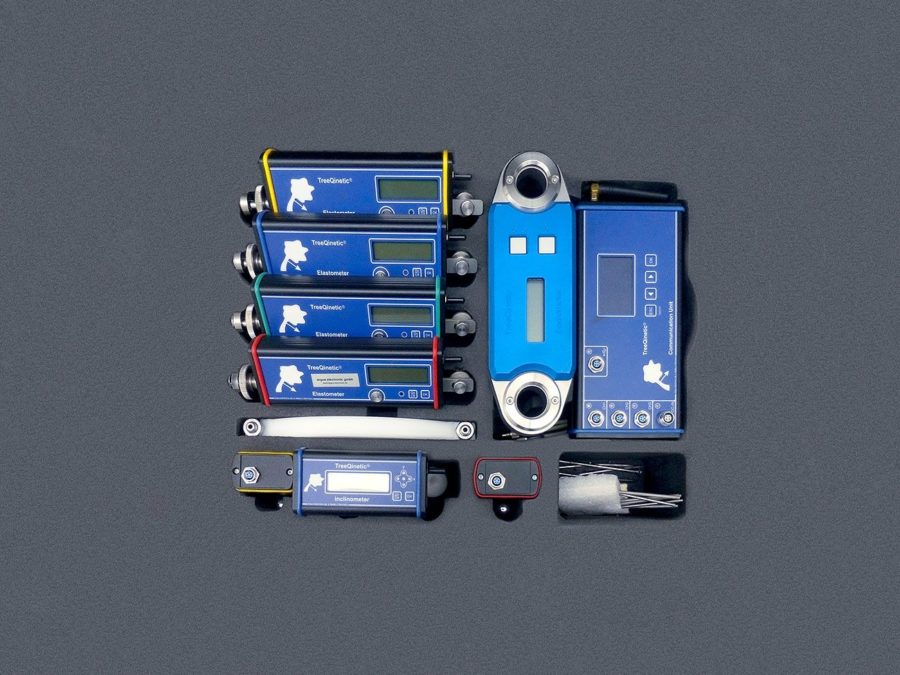
The PiCUS TreeQinetic measuring system is used to perform tensile tests on trees. Tensile tests serve as part of detailed tree examinations to determine the break resistance and stability by measuring the tree’s reaction to an artificial wind substitute load.
-
PiCUS Calliper
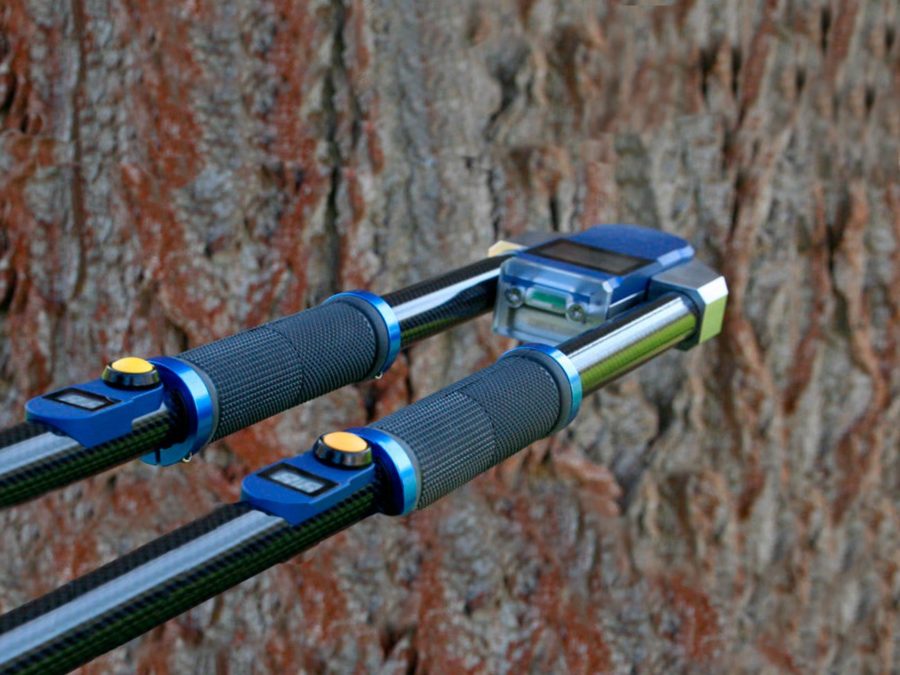
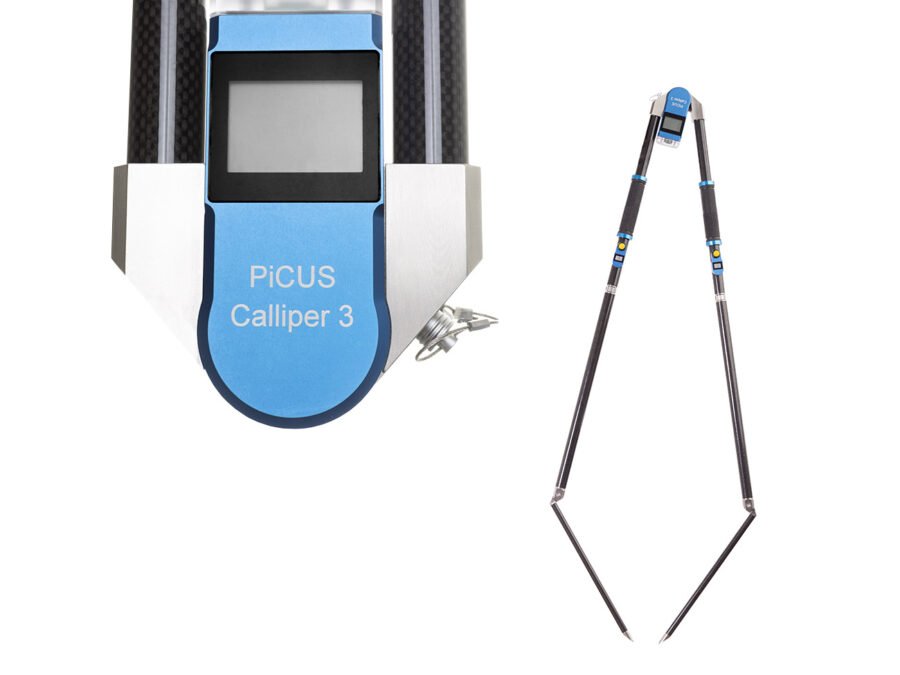
Both our tomography methods do require exact geometry information in regards to the positioning of all measuring points in order to calculate the sonic and electric resistance tomograms. The tomograms are more precise when the positioning of the measurement points is entered as accurate as possible. The PiCUS Calliper is an instrument that helps to measure the positions of all measuring points quickly and accurately.
-
PiCUS Wind Measurement System
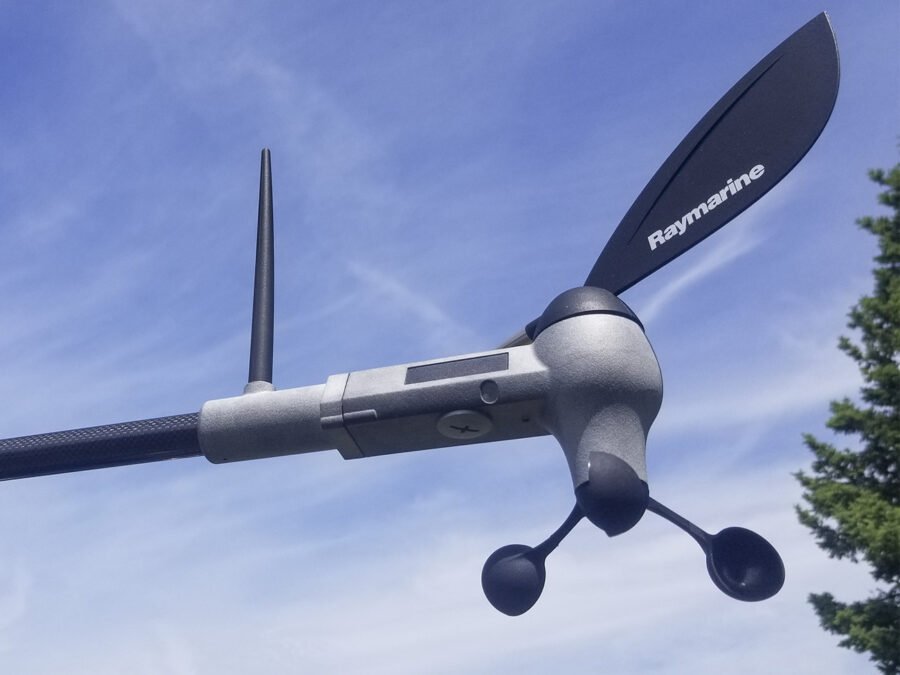
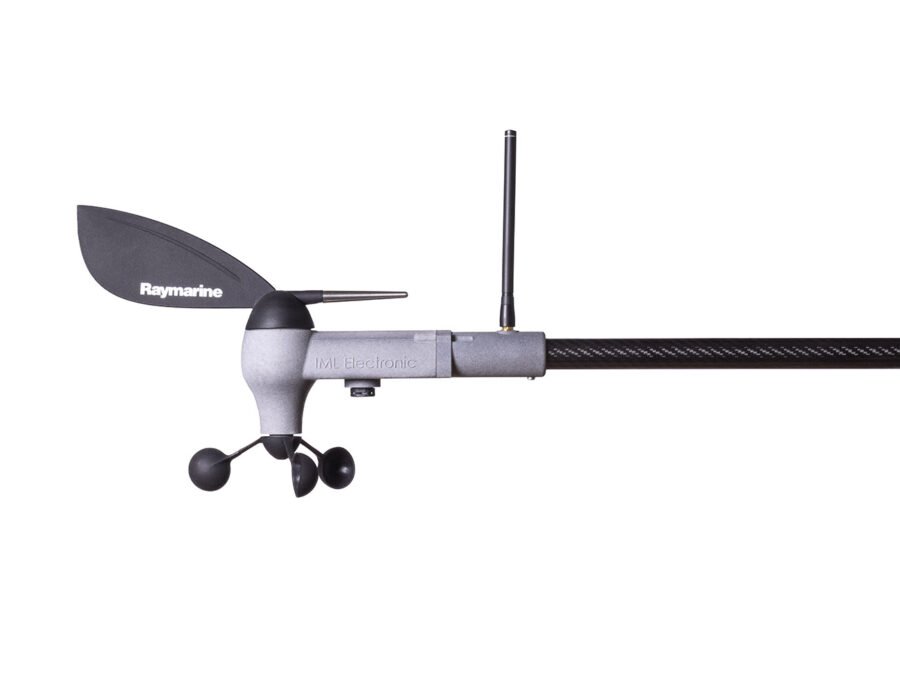
The PiCUS wind measurement system measures wind speed and wind direction. The recorded data can be combined with other measurements, such as wind reaction measurements, and evaluated. The system can be used as an optional addition to other PiCUS devices or as a standalone wind measurement solution.
-

PiCUS Tension
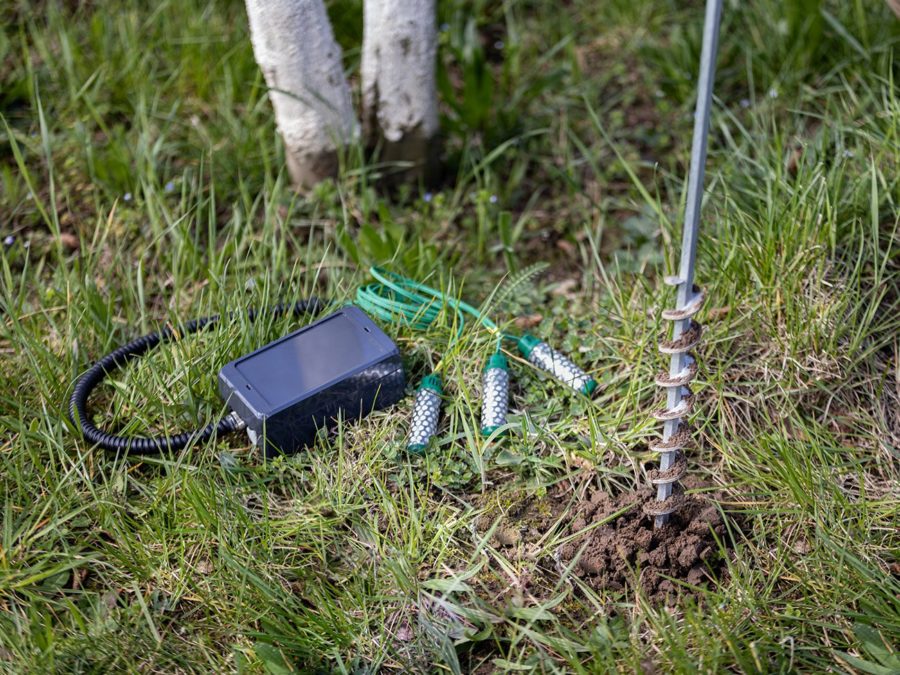
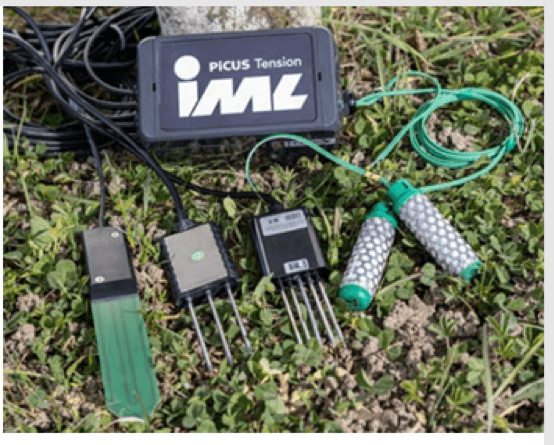
The PiCUS Tension is a system installed autonomously underground or above ground at the location of your trees. It can accommodate up to seven sensors that measure soil water tension or volumetric water content of the soil, allowing for conclusions about water availability for your plants. The sensors can be positioned freely, either across the area or, for instance, within the root ball at various heights.